If you’re planning a residential building project, refurbishing a commercial property, or simply future proofing your home, choosing the right lift can feel overwhelming.
Modern lift technology has made domestic lifts, platform lifts and compact passenger lifts far more accessible, efficient and cost-effective than many people expect.
In this guide, we’ll walk you through the main types of lifts used in both residential and commercial settings, explain residential elevator dimensions, and give you a realistic overview of domestic lift cost in the UK.
Understanding the Main Types of Lifts
When people ask about types of lifts, they’re usually trying to match three things: space, usage, and budget. Whether it’s a private home or a busy workplace, the fundamentals stay the same.
Lifts can broadly be categorised into residential lifts, passenger lifts, platform lifts, goods lifts and specialist options such as glass lifts. Each serves a different purpose and comes with its own design considerations, running requirements and cost profile.
Residential Lifts for Homes and Residential Buildings
Residential lifts, often referred to as home lifts or domestic elevators, are designed specifically for private houses and low-rise residential buildings. They’re commonly installed in townhouses, detached homes and apartment blocks where accessibility or convenience is a priority.
In the UK, domestic lift cost typically starts from around £15,000 to £25,000 for a basic model, with higher specifications and bespoke finishes increasing the price. Factors that influence cost include the number of floors, structural alterations, drive system, and whether the lift is installed during a build or as a retrofit.
Residential elevator dimensions are generally compact compared to commercial lifts. Many home lifts are designed to carry two to three people. Despite the smaller footprint, modern residential lifts are quiet, energy-efficient and compliant with UK safety standards.
Passenger Lifts for Commercial Buildings

Passenger lifts are the most recognisable lift type and are commonly found in offices, hotels, apartment blocks and public buildings. These lifts are designed for higher usage levels and larger passenger capacities compared to domestic lifts.
In a commercial setting, lift selection is influenced by traffic flow, building height and compliance requirements such as accessibility regulations. Passenger lifts offer flexible residential elevator dimensions for mixed-use developments, where both residents and visitors rely on safe, reliable vertical transport.
For residential building projects with multiple apartments, passenger lifts provide durability and long-term value, making them a smart investment for developers and property managers.
Platform Lifts and Accessibility Solutions
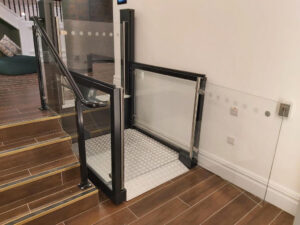
Platform lifts are a popular alternative where space is limited or full passenger lifts aren’t feasible. They’re commonly used in homes, schools, retail units and public buildings to provide wheelchair access.
From a cost perspective, platform lifts can be more affordable than traditional lifts, making them appealing for homeowners working within a tighter budget. They’re also quicker to install and often require minimal structural changes.
In residential buildings, platform lifts are frequently chosen to meet accessibility needs without major refurbishment, particularly in existing properties.
Goods Lifts and Service Lifts for Businesses
Goods lifts, also known as service or freight lifts, are designed for transporting heavy items rather than people. You’ll typically find them in warehouses, factories, retail stockrooms and hospitality environments.
While not usually installed in private homes, goods lifts are important in many commercial operations. They reduce manual handling risks and improve efficiency, especially in multi-storey buildings with regular stock movement.
Glass Lifts and Design-Led Options
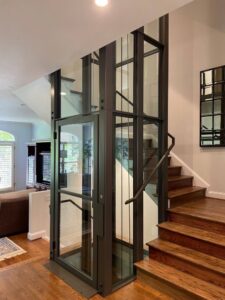
Glass lifts, sometimes called panoramic lifts, combine functionality with architectural impact. They’re increasingly popular in high-end residential buildings, hotels and commercial spaces where aesthetics matter just as much as performance.
Although glass lifts sit at the higher end of the domestic lift cost scale, many homeowners choose them for their modern appearance and ability to enhance natural light and property value.
Ask Lancs & Cumbria Lifts Today
Choosing between the different types of lifts for homes and businesses doesn’t have to be complicated. Whether you’re exploring residential lifts for a private home, passenger lifts for a residential building, or platform lifts for accessibility, the right solution comes down to space, usage and budget.
If you’re planning a lift installation or simply want honest advice, get in touch with Lancs & Cumbria Lifts today to discuss your project.